Building a Board That Actually Helps
What Founders Get Wrong About Boards
A founder I'm working with asked me last month to consider joining his board of directors. He's a solo founder, raising a seed round. Smart guy, thinks ahead.
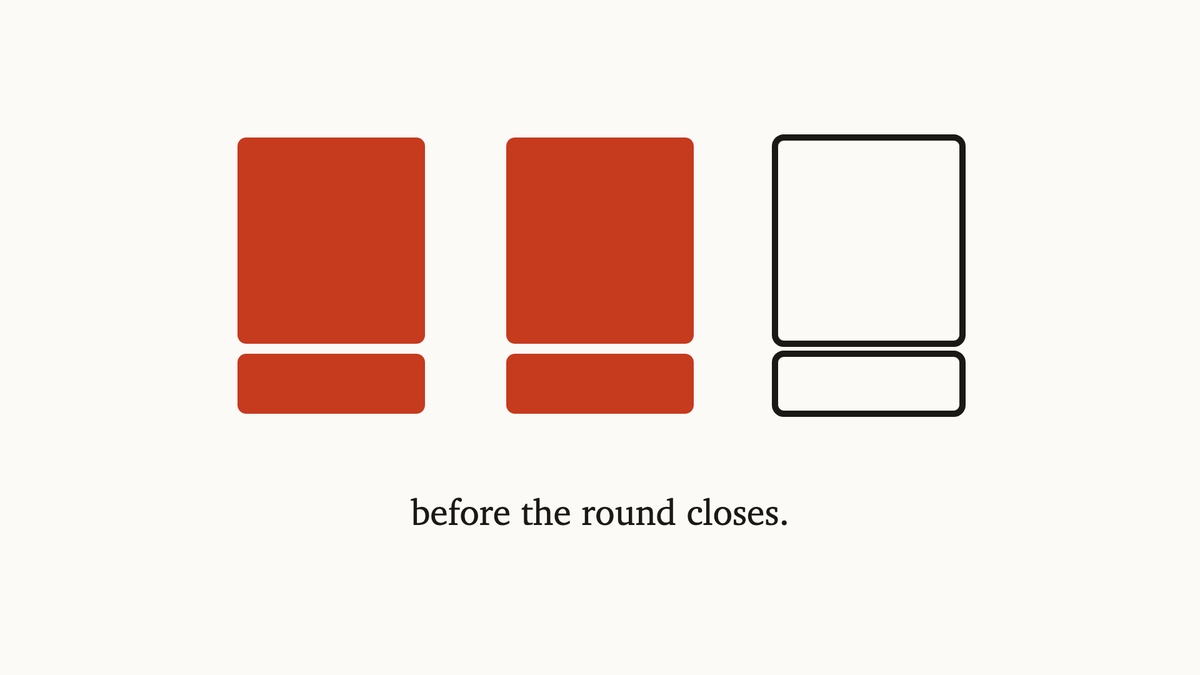
Here's what caught my attention: he realizes that once the round closes, he'll probably need to grant a board seat to the lead investor. As a solo founder, that would make it 1-1 - founder and investor. He's thinking ahead. He wants to establish a 2-1 board before the round closes, with me as an additional founder-designated director.
This is unusual. Most founders don't think about board composition until they're negotiating a term sheet - by which point the leverage has shifted. He's doing it right.
But his question opened up a deeper conversation. Not just about composition, but about what a board actually does. What are the responsibilities? How formal should it be? And the question that keeps coming up: when does a board help, and when does it just create friction without adding value?
I've sat on boards as an investor. I've advised founders navigating board dynamics. I've watched boards help companies through crisis and watched them make a crisis worse. Here's what I've learned - and what the research actually shows.
Forget What You Know About Boards
Here's something I've noticed with first-time founders: many arrive with a mental model of boards shaped by their previous corporate jobs, or by movies and TV. The formal boardroom. The questioning. Directors reviewing financials and grilling management.
This could not be more wrong.
A corporate board and an early-stage startup board are completely different animals. Corporate boards are oversight bodies - they monitor management on behalf of numerous shareholders who can't monitor themselves. The relationship is inherently arm's-length. Information flows through formal channels. Directors show up quarterly, review prepared materials, and vote.
Startup boards - at least the ones that work - are nothing like this. The founder knows everything, the board members know fragments. The relationship isn't oversight - it's partnership. Directors who treat early-stage boards like corporate boards create exactly the dysfunction founders fear.
Understanding this distinction matters because it shapes expectations. If you expect your board to behave like a corporate board, you'll hide problems; you'll manage impressions; and you'll miss the actual value a good board can provide.
Why This Matters More Than Founders Think
Research tracking hundreds of startups found something worth noting: companies with early-stage outside directors raise rounds that are 23% larger on average. They reach Series B faster. They're more likely to exit successfully.
But here's the nuance: the effect is strongest when directors have entrepreneurial experience themselves. Directors who've built companies understand early-stage challenges and don't over-apply lessons from later-stage contexts. Board composition isn't just about filling seats - it's about who fills them.
Yet most founders experience their boards as obligations, or even as hostile oversight. The founder perspective: board meetings feel like reporting sessions. Preparing decks, justifying decisions, managing how things look. Time spent performing rather than getting help.
The investor perspective - and I've been on this side - is different. We join boards because we want to influence direction and contribute experience. We've seen patterns across dozens of companies. We have networks that could help. But we can only help if founders actually bring us real problems, not just presentations.
Having been on both sides - as a founder building companies and as an investor sitting on boards - I've come to see that the gap between these perspectives is where dysfunction lives. And it's usually bridgeable, if both sides understand what the other actually needs.
What Changes as You Grow
Board composition decisions made at seed follow you through every subsequent round. Three things matter most:
First, structure. The typical seed board has three seats: two founder-designated, one investor. By Series A, it often expands to five: two founder, two investor, one independent. These configurations determine who controls major decisions - and they're much harder to renegotiate later than to set up correctly from the start.
Second, the independent director. Their job is to be the tiebreaker when founders and investors disagree. The key question: who selects them? "Independent" doesn't mean much if the investor effectively chooses. Negotiate for genuine founder input while you have leverage.
Third, keep boards lean. Research suggests 3-5 members is optimal at early stage. Effectiveness drops above 7-8 - coordination costs increase faster than the value of additional perspectives.
From my investor seat at PHIL Ventures, I saw what worked and what didn't. The boards that functioned well had clear expectations set early: how often do we meet? What decisions require board approval versus just keeping the board informed? The boards that became dysfunctional usually had unspoken assumptions that only surfaced during conflict.
The Fiduciary Question
When I told my founder friend that even as a founder-designated director, my primary obligation would be to the company - not to him - he wanted clarity. "What does that even mean? Whose interest is 'the company's interest'?"
Fair question. A director's fiduciary duty runs to the corporation - not to individual shareholders or shareholder classes. If you're a founder director holding common stock and an investor director holding preferred stock, the board's duty runs to the corporation. Both classes' interests are relevant, but neither has automatic priority.
I've sat in board meetings where everyone claimed to be acting in "the company's interest" while advocating for completely different outcomes. The investor pushing to reject an acquisition offer and raise more money. The founder who wanted to take the exit. Both could make legitimate arguments about what's best for the company.
There's no clean answer here. What I've learned is that the best boards acknowledge this tension explicitly rather than pretending it doesn't exist. When interests diverge, good directors name it: "I recognize I'm seeing this through my investor lens. What does this look like from other perspectives?"
Making Boards Actually Work
Understanding the theory only gets you so far. The tactical stuff matters more than founders expect.
Meeting Frequency
Monthly is common at seed stage - and there's a reason. Quarterly boards create problems: information gets stale, and directors show up with questions about things that happened weeks ago. Once things stabilize post-Series A, quarterly can work - but supplement with shorter monthly updates for the lead investor. Separate the governance function from the staying-informed function.
No Surprises
This philosophy works both ways. Board members shouldn't be surprised by major developments between meetings - revenue milestone hit, key hire made, major customer churned, pick up the phone. But founders shouldn't be surprised either. The founders who manage boards well have individual conversations with directors before the meeting - not to manipulate outcomes, but to surface disagreements early. Walking into a board meeting and discovering a director opposes your recommendation is worth the effort to avoid.
Before, During, and After
Send materials 48-72 hours before - not earlier, not later. A tight update memo beats a 40-slide deck: what happened since last meeting, key metrics with variance explanations, what decisions need board input, what specific help you're asking for.
In the meeting itself, target 60-70% of time on strategy, 20-25% on governance, 10-15% on operational updates. The board read your memo. Don't spend 90% repeating what they already know.
Between meetings is where the relationship lives. The founders I've seen use boards well treat them as thinking partners, not reporting obligations. They bring real dilemmas. They ask specific questions: "I'm deciding between X and Y. Here's how I'm thinking about it. What am I missing?"
When Boards Break Down
I've seen a pattern play out enough times to name it - because recognizing it early is the only way to stop it.
It starts with misaligned expectations. The founder's mental model: "The board is my advisory board. They should help me navigate challenges and trust my judgment." The investor's mental model: "I'm on the board to monitor my investment. I need to know about problems before they become crises."
Neither is wrong. But when they're not explicit, here's what happens: Founder makes a strategic pivot without investor input. Investor feels blindsided and asks for more oversight. Founder feels mistrusted and stops sharing problems early. Investor only learns about challenges when they're already crises. The cycle accelerates.
I watched this exact pattern destroy a board relationship at a portfolio company. By the time the founder and lead investor were openly adversarial, the company's actual problems had become secondary to the governance dysfunction. The business might have been salvageable; the relationship wasn't.
The fix is boring but effective: set role clarity early, in writing if possible. What decisions need board approval? What needs notification but not approval? What's purely CEO discretion?
The real test comes during hard times - bridge conversations, pivot discussions, the "should we shut down" question. This is where good boards earn their value. Not by making decisions for founders, but by helping founders think clearly when clarity is hardest. The founders who kept investors engaged through the good times, who were honest about challenges, who built trust over months and years - they get help when they need it. The founders who treated investors as distant overseers find them less useful when they suddenly need them.
Making It Work
That solo founder is doing the right thing - thinking about board composition before the leverage shifts. Asking the hard questions about fiduciary duties and what boards actually do.
Here's what I told him:
Your board will be as useful as you make it. If you treat board meetings as reporting obligations, you'll get a board that asks for reports. If you bring real dilemmas and specific asks, you'll get a board that engages with your actual challenges.
The relationship you build with board members between meetings matters more than what happens in the meetings themselves. Maintain enough connection that when you do reach out with a real problem, there's context to actually help.
And the fiduciary thing? Yes, even founder-designated directors owe duties to the company - not to you personally. But a good director understands that founder success and company success are usually aligned, especially at early stage. The tension is real, but it doesn't have to be adversarial.
The research shows that boards matter - companies with functioning boards raise more, grow faster, exit better. But correlation isn't magic. The boards that work are the ones where founders built something useful before they needed it.
The time to do that is now. Not after your first crisis.
I help founders navigate strategy and funding decisions when the path isn't clear. If you're there, let's talk.
If this was useful, I write one of these most weeks.
Subscribe on LinkedIn